
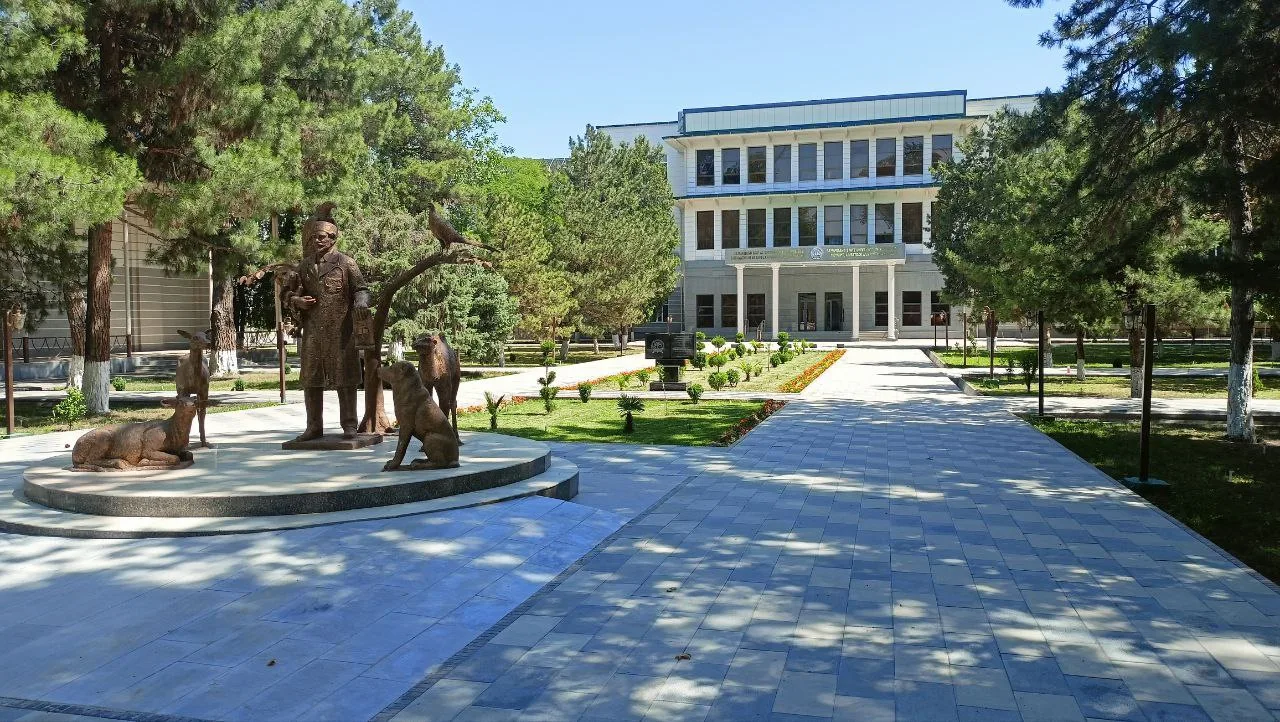
Samarkand State Veterinary Medicine, Livestock and Biotechnologies
6,238
Students
26
International students
325
Teaching staff
5
Faculties
20
Departments
1929
Founded
Video and photos
About the university
Samarkand State University of Veterinary Medicine, Livestock and Biotechnologies
Shaping the Future of Veterinary Science and Biotechnology in Central Asia
Samarkand State University of Veterinary Medicine, Livestock and Biotechnology is one of the oldest, most prestigious and fastest-growing specialized higher education institutions in Central Asia, dedicated to excellence in veterinary medicine, animal husbandry, biotechnology, food safety and agricultural sciences.
Founded in 1929, the University has played a pioneering role in the development of veterinary education, scientific researc, and livestock innovation in Uzbekistan and across the Central Asian region. With nearly a century of academic tradition, it stands today as a recognized center of education, research, innovation and international cooperation.
As the first and leading institution in the region specializing in veterinary sciences, the University has educated thousands of highly qualified professionals who contribute to animal health, food security, sustainable agriculture and public health worldwide.
Internationally Recognized Education
The University is committed to delivering education that meets global standards and prepares graduates for successful careers in an increasingly interconnected world.
Academic programs are continuously modernized in accordance with international best practices and the quality requirements of the European Association of Establishments for Veterinary Education (EAEVE), one of the most respected organizations in veterinary education worldwide.
Students benefit from:
- Practice-oriented and competency-based learning
- Modern teaching methodologies
- Internationally aligned curricula
- Research-integrated education
- Access to advanced laboratory and clinical facilities
- Opportunities for academic mobility and international collaboration
A Hub for Research and Innovation
The University serves as a major scientific and innovation center, conducting cutting-edge research in:
- Veterinary Medicine
- Animal Health and Welfare
- Zoonotic Diseases
- Food Safety and Quality Assurance
- Biotechnology and Genetic Improvement
- Sustainable Livestock Production
- Veterinary Public Health
- Environmental and Agricultural Sciences
Researchers, faculty members and students actively participate in national and international projects aimed at addressing global challenges related to animal and human health.
State-of-the-Art Facilities
The University provides a modern educational and scientific environment equipped with:
- Veterinary Teaching Hospital and Clinical Center
- Advanced Diagnostic and Research Laboratories
- Specialized Vivarium Facilities
- Experimental Farms and Training Fields
- Poultry Micro-Farm
- Food Safety Research Centers
- The Unique Karakul Skin Museum
- University History Museum
- Modern Scientific and Digital Library
- Innovation and Technology Transfer Centers
These facilities allow students to gain extensive hands-on experience and practical skills throughout their academic journey.
Global Partnerships and Opportunities
The University actively cooperates with leading universities, research institutes, international organizations and industry partners around the world.
Students and researchers have access to:
- International scholarships
- Merit-based grants
- Research funding opportunities
- Student exchange programs
- Erasmus+ mobility schemes
- International internships
- Joint research projects
- Academic conferences and scientific forums
These opportunities enable students to develop global competencies and build international professional networks.
Why Choose SSUVMAB?
✔ One of the oldest veterinary universities in Central Asia
✔ Nearly 100 years of academic excellence
✔ Internationally oriented education and research
✔ EAEVE-aligned quality standards
✔ Strong emphasis on practical training
✔ Modern laboratories and veterinary clinics
✔ International scholarships and grants
✔ Extensive global partnerships
✔ Multicultural learning environment
✔ Strategic location in the historic city of Samarkand
Join a Tradition of Excellence
At Samarkand State University of Veterinary Medicine, Livestock and Biotechnology, students become part of a dynamic academic community committed to advancing veterinary science, biotechnology, food safety and sustainable development.
Study in Samarkand. Innovate for the World. Lead the Future.
For international students
Samarkand State University of Veterinary Medicine, Animal Husbandry and Biotechnology provides students with extensive language opportunities for international communication and scientific activities.
 Uzbek language –The Uzbek language is taught to international students through a specially designed one-year intensive curriculum that ensures thorough and systematic mastery. This program aims to help foreign students quickly adapt to the language environment and develop the ability to use Uzbek fluently in everyday communication, academic activities, and scientific research. The educational process places particular emphasis on listening comprehension, spoken communication, written literacy, text analysis, terminology usage, and applying language in cultural and social contexts. Classes are conducted using modern pedagogical methods, interactive learning formats, multimedia tools, and practical exercises based on real-life situations.
 Additionally, students are offered supplementary language practice clubs, conversation sessions, cultural events, and excursions, enabling them to actively apply Uzbek not only theoretically but also in natural environments. If a student’s Uzbek proficiency is officially confirmed to be above the C1 level according to international or national assessment standards, such students may be exempt from mandatory language courses or offered specialized advanced programs in academic writing, scientific communication, and professional terminology. This allows them to devote more time to in-depth study of their major subjects, active participation in research projects, and faster integration into higher education.
English, Korean, and Russian languages – regular courses conducted at the university.
 English, Korean, and Russian languages are taught at the university step by step through specially organized regular courses. These courses are designed in accordance with modern educational standards and aim to ensure that students master the language not only theoretically but also practically in communication, academic writing, listening comprehension, and professional terminology. Classes are conducted by qualified instructors using interactive methods, multimedia resources, group discussions, and tasks based on real communicative situations.
 The primary objective of these language courses is to prepare students for successful participation in international scientific conferences, foreign grant programs, academic exchange projects, and the global labor market. By developing language proficiency, students gain the ability to independently use foreign literature, write scientific articles, deliver presentations, and communicate professionally with representatives of different nationalities. Thus, these courses broaden students’ intellectual potential and thoroughly prepare them for effective participation in the global scientific and professional arena.
International partnerships
Samarkand State University of Veterinary Medicine, Animal Husbandry and Biotechnology has established international collaborations with the following universities:
-
Krakow University of Agriculture (Poland)
-
Dokuz Eylul University (Turkey)
-
Burdur Mehmet Akif Ersoy University (Turkey)
-
Grodno State Agrarian University (Belarus)
-
Vologda State Dairy Academy named after N.V. Vereshagin (Russia)
-
Peoples’ Friendship University of Russia (Russia)
-
University of Minnesota (USA)
-
K.I. Skryabina Academy of Veterinary Medicine and Biotechnology (Russia)
-
“Jangir Khan” Western Agro-Technological University (Kazakhstan)
-
Vitebsk State Academy of Veterinary Medicine (Belarus)
-
South Kazakhstan University named after Mukhtar Auezov (Kazakhstan)
-
Latvia University of Life Sciences and Technologies (Latvia)
-
Jalal-Abad State University named after B. Osmonov (Kyrgyzstan)
-
Harran University (Turkey)
-
Saint Petersburg State Veterinary University (Russia)
-
University of Perugia (Italy)
-
Kongju National University (South Korea)
-
Jeonbuk National University (South Korea)
-
Mongolian University of Life Sciences (Mongolia)
-
Lanzhou Veterinary Research University (People’s Republic of China)
-
Shihezi University (People’s Republic of China)
-
Tarim University (People’s Republic of China)
-
Weihenstephan-Triesdorf University of Applied Sciences (Germany)
Language courses
Are language courses available at SSUV?
Yes. Samarkand State University of Veterinary Medicine, Livestock and Biotechnologies (SSUV) offers a wide range of language programs designed to support students' academic, professional and international development.
The university provides specialized courses in English, Russian, German and Korean languages. In addition, Uzbek language courses are available for international students to facilitate their academic integration and daily life in Uzbekistan.
Each language group consists of approximately 18 students, ensuring an interactive learning environment and personalized instruction. Courses are delivered by experienced language instructors using modern teaching methodologies.
Upon successful completion of the academic year, students have the opportunity to obtain nationally and internationally recognized language certificates at B2 and C1 levels, enhancing their eligibility for international exchange programs, scholarships and global career opportunities.
Opportunities for students
Samarkand State University of Veterinary Medicine, Animal Husbandry and Biotechnology trains students to become highly qualified specialists recognized for their achievements at national and international levels.
Through modern laboratories, clinics, and global scientific collaboration, students gain practical experience, participate in international conferences and grants, and emerge as leaders in veterinary prevention and treatment.
Our students are the embodiment of the university’s global potential and future success.
Faculties
FACULTY OF INTERNATIONAL EDUCATION
Type of education: Bachelor's degree, master's degree
Specialty: 60840100-Veterinary Medicine
The Faculty of Veterinary Prevention and Treatment has a history of nearly a hundred years. The Faculty of Veterinary Medicine was first established in 1929 as part of the Samarkand Agricultural Institute.
DEPARTMENTS OF THE FACULTY:
Internal non-infectious diseases;
Veterinary surgery and obstetrics;
Animal anatomy, histology and pathological anatomy;
Pharmacology and toxicology;
Organization of parasitology and veterinary work;
Epizootology and infectious diseases.
LABORATORIES AND VETERINARY CLINIC:
Hematology laboratory;
Laboratory of pathomorphology;
Laboratory of pharmacology and toxicology;
Laboratory of zooparasitology;
"Vet Nur" small and large animal clinic;
A modern vivarium.
FIELD OF EDUCATION AND SPECIALTIES:
Undergraduate:
Veterinary medicine (by type of activity).
Master's specializations:
Diagnosis and treatment of animals;
Veterinary surgery;
Veterinary Pharmacology and Toxicology;
Veterinary obstetrics and biotechniques of animal reproduction;
Animal pathology, oncology and morphology;
Cynology and dog diseases;
Training and horse diseases;
Parasitic and infectious diseases of animals.
The Faculty of Veterinary Diagnostics and Food Safety offers the following bachelor’s degree programmes:
Veterinary Sanitary Expertise – a programme focused on meat and dairy enterprises, slaughterhouses, livestock product processing enterprises, logistics centers, food storage facilities, farmers’ markets, veterinary sanitary laboratories, food-producing enterprises, trade facilities, and improving the quality of meat products.
Veterinary Diagnostics and Laboratory Work – a programme aimed at ensuring epizootic and epidemiological stability, diagnosing infectious diseases, protecting the population from zooanthroponotic diseases, developing and implementing regulatory documents, and providing veterinary services to farm and domestic animals, fur-bearing, exotic and wild animals, poultry, bees, and fish.
The following bachelor’s specializations are available:
60840300 – Veterinary Sanitary Expertise
60840300 – Veterinary Diagnostics and Laboratory Work
60840400 – Veterinary Sanitary Expertise
The following master’s degree specializations are available:
-
70840401 – Veterinary Sanitation, Veterinary Sanitary Expertise and Hygiene of Livestock Product Processing
-
70840301 – Veterinary Microbiology, Virology, Epizootology, Mycology and Immunology
-
70840111 – Veterinary Control in Emergency Situations and Public Health Protection
-
70840303 – Animal Physiology and Biochemistry
-
70840108 – Fish Diseases
-
70840109 – Bee Diseases
-
70840110 – Poultry Diseases
The Faculty of Biotechnology offers the following bachelor’s degree programmes:
60811700 – Biotechnology (by sectors) – a production-oriented programme covering a complex set of issues related to organizing labor activities in production enterprises, labor standardization, ensuring food safety in the veterinary field, ensuring biological safety, propagation of fodder plants in animal husbandry, propagation of medicinal plants used in veterinary practice, development and implementation of necessary measures, design and organization, development of regulatory documents and their implementation, and production of goods based on biological technologies.
60840500 – Veterinary Biotechnology – biotechnology plays a crucial role in veterinary medicine and animal husbandry. This programme focuses on studying the reproductive biology of farm animals, controlling reproductive cycles, embryo transplantation, embryo recovery and preservation, in vitro fertilization, in vitro maturation of oocytes, creation of transgenic animals through genetic engineering, in-depth study of animal diseases and their causes, and conducting molecular genetic analyses for timely diagnosis of dangerous diseases.
60840200 – Veterinary Pharmacy – an educational programme in the field of Veterinary Science covering extraction of active substances from medicinal plant raw materials, technologies for producing various dosage forms, rules for storage of veterinary medicines in pharmacies, dispensing medicines based on prescriptions, search for new medicinal plant raw materials, development of veterinary drugs, and their implementation in veterinary practice.
60811100 – Technology of Cultivation and Processing of Medicinal Plants – the programme covers introduction of medicinal plants, rational use, meeting pharmaceutical industry demand for medicinal plant raw materials, cultivation and primary processing technologies, harvesting, storage, optimization of processing processes, and management systems of enterprises involved in medicinal plant production and processing.
60520200 – Ecology and Environmental Protection (by sectors and fields) – graduates study nature–human–society relations, habitats, populations and their management, ecosystems and classifications, food chains, trophic relations, energy and matter cycles in the biosphere, biosphere and noosphere, ecological functions of the hydrosphere and lithosphere, soil degradation, freshwater issues, pollution, biological resources, sustainable development, ecological education, and environmental problems of Uzbekistan.
60811100 – Aquatic Bioresources and Aquaculture – graduates study aquatic ecosystems, freshwater and marine biological resources, biology and ecology of fish and aquatic organisms, population management, hydrobiology, ichthyology, sustainable use and protection of aquatic resources, aquaculture technologies, fish farming management, artificial breeding, disease prevention, and sustainable fisheries principles.
The following master’s degree programmes are available:
70710201 – Biotechnology
70520202 – Ecology
70810404 – Agrobiotechnology
70812101 – Technology of Cultivation and Processing of Medicinal Plants
Faculty of Animal Husbandry and Technologies
Currently, the Faculty of Animal Husbandry and Technologies is actively improving its work in educational-methodical, scientific-research, spiritual-educational, and upbringing fields, as well as providing practical assistance to agriculture. The faculty tirelessly contributes to strengthening the independence of the Republic and raising youth in the spirit of national idea and patriotism. The faculty will continue its activities strictly according to the priority directions of the “New Uzbekistan Development Strategy” for 2022–2026.
The Faculty of Zootechnics offers the following educational programs:
60811500 – Zootechnics (by types)
60811500 – Zootechnics (sheep breeding)
60811500 – Zootechnics (horse and camel breeding)
60811700 – Sericulture and Silk Production
60820100 – Forestry
FACULTY OF ECONOMICS
Currently, the Faculty of Economics is actively improving its work in educational-methodical, scientific-research, spiritual-educational, and upbringing fields, as well as providing practical assistance to various sectors of the economy. The faculty tirelessly contributes to strengthening the independence of the Republic and raising youth in the spirit of national idea and patriotism. The faculty will continue its activities strictly according to the priority directions of the “New Uzbekistan Development Strategy” for 2022–2026.
Existing programs:
60410100 – Economics
60410200 – Accounting
60410800 – Management
Fields of study
| Accounting and auditing (in agriculture) 60410200 | Bachelor |
| Agrobiotechnology 60710200 | Bachelor Master's |
| Agronomy 60810400 | Bachelor |
| Automation of technological processes and production 60710900 | Bachelor |
| Ecology and environmental protection 60520200 | Bachelor |
| Economics 60310100 | Bachelor |
| Field of study: Technology of cultivation and processing of medicinal plants 70811101 | Bachelor Master's |
| Food technology. 60720100 | Bachelor |
| Management. 60410800 | Bachelor |
| Selection and seed production of agricultural crops. 60810600 | Bachelor |
| Technology of storage and processing of agricultural products. 60810700 | Bachelor |
| Veterinary Medicine 60840100 | Bachelor |
| Veterinary pharmaceuticals 60840200 | Bachelor |
| Veterinary sanitary expertise 60840300 | Bachelor |
| Water bioresources and aquaculture 60830100 | Bachelor |
| Zooengineering. 60810800 | Bachelor |
Programmes
All programmes →
Samarkand State Veterinary Medicine, Livestock and Biotechnologies
Automation of technological processes and production
14 978 856 so'm
per year
Samarkand State Veterinary Medicine, Livestock and Biotechnologies
Selection and seed production of agricultural crops.
14 978 856 so'm
per year
Samarkand State Veterinary Medicine, Livestock and Biotechnologies
Field of study: Technology of cultivation and processing of medicinal plants
14 978 856 so'm
per year
Samarkand State Veterinary Medicine, Livestock and Biotechnologies
Veterinary sanitary expertise
14 978 856 so'm
per year
Samarkand State Veterinary Medicine, Livestock and Biotechnologies
Technology of storage and processing of agricultural products.
14 978 856 so'm
per year
Samarkand State Veterinary Medicine, Livestock and Biotechnologies
Ecology and environmental protection
14 978 856 so'm
per year
Samarkand State Veterinary Medicine, Livestock and Biotechnologies
Agronomy
14 978 856 so'm
per year
Samarkand State Veterinary Medicine, Livestock and Biotechnologies
Food technology.
14 978 856 so'm
per year
Samarkand State Veterinary Medicine, Livestock and Biotechnologies
Agrobiotechnology
14 978 856 so'm
per year
Samarkand State Veterinary Medicine, Livestock and Biotechnologies
Zooengineering.
14 978 856 so'm
per year
Samarkand State Veterinary Medicine, Livestock and Biotechnologies
Veterinary Medicine
14 775 600 so'm
per year
Samarkand State Veterinary Medicine, Livestock and Biotechnologies
Water bioresources and aquaculture
14 978 856 so'm
per year
Notable alumni
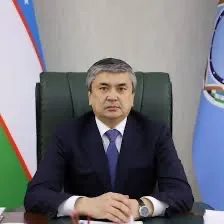
Bahromjon Toʻrayevich Norqobilov
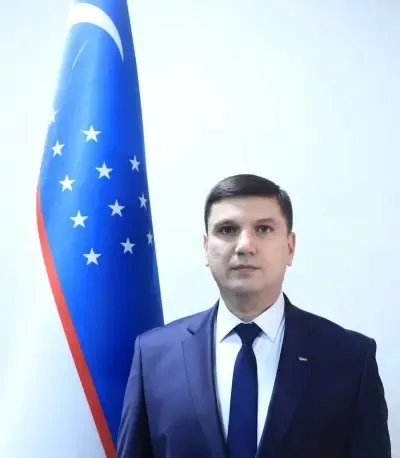
Jabborov Shuhrat Аbdumajidovich
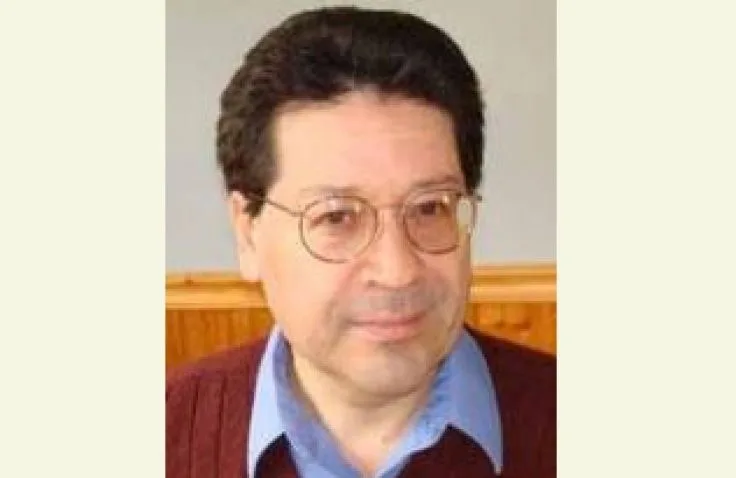
Sharof To‘g‘izov

Nurbek Yuldashev
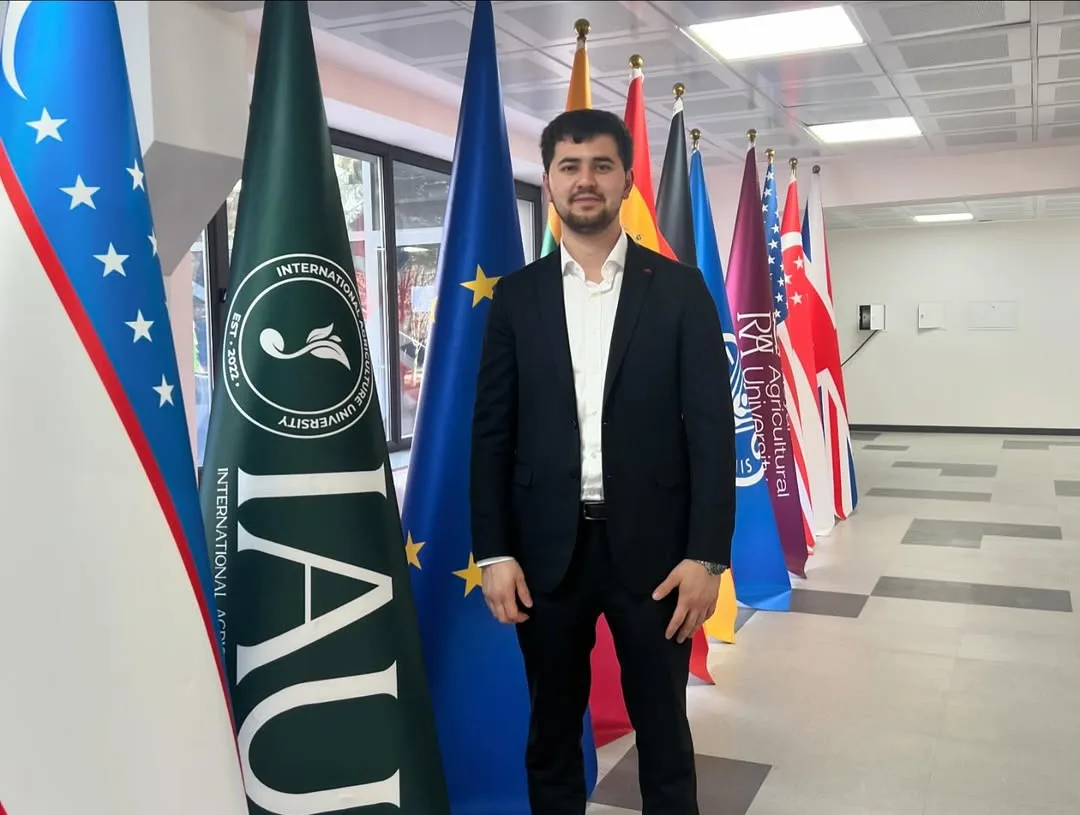
Tillabayev Bahodir
Student reviews

Madina

Nargiza
Jasur
Asilbek
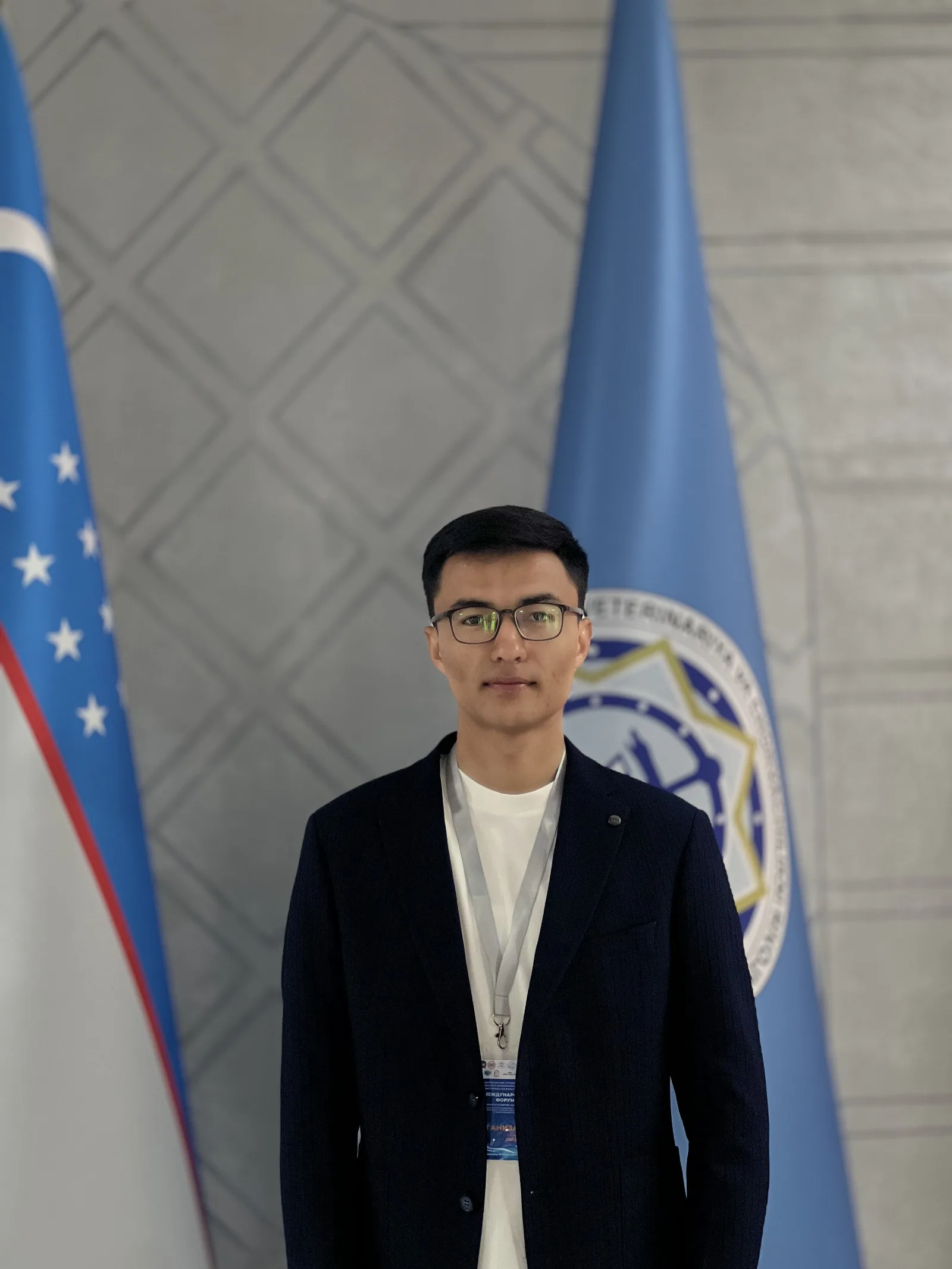
Jahongir