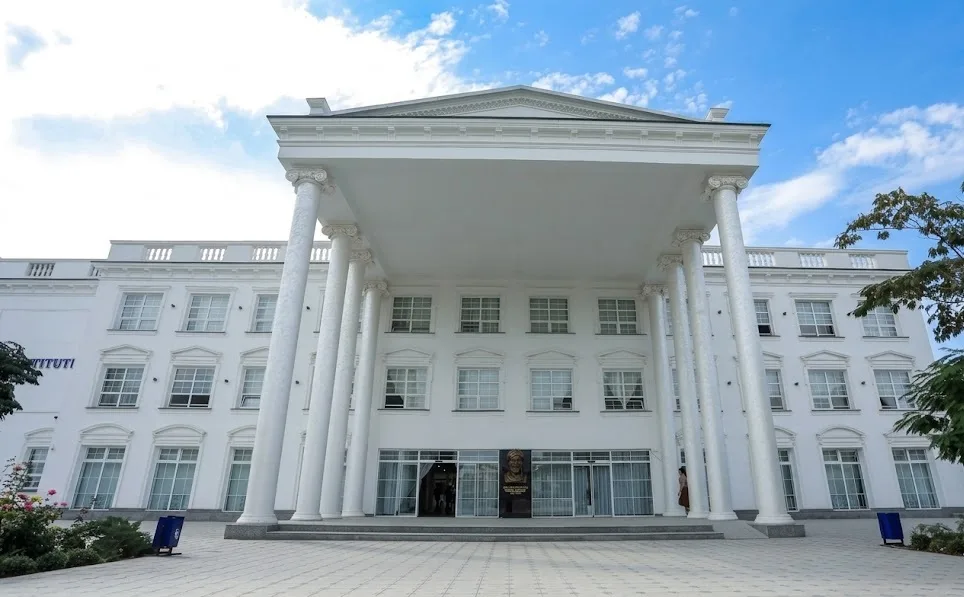
Ferghana medical institute of public health
6,707
Students
1,593
International students
574
Teaching staff
4
Faculties
29
Departments
2020
Founded
Video and photos
About the university
Fergana Medical Institute of Public Health is one of the higher education institutions in the Republic of Uzbekistan specializing in public health, preventive medicine, and the training of modern medical professionals. The institute plays an important role in the development of the national healthcare system.
History of Establishment and Development
The Fergana Medical Institute of Public Health is a relatively new higher education institution. It was initially established on May 28, 1992, based on joint decrees No. 189 and 311 of the Ministry of Higher Education, Science and Innovation and the Ministry of Health, as a “Medical Center” under Fergana State University.
According to the Resolution No. 239 of the Cabinet of Ministers of the Republic of Uzbekistan dated June 3, 1998, it was reorganized into the Fergana branch of the Second Tashkent State Medical Institute. Later, by Resolution No. 780 of July 29, 2005, it became the Fergana branch of the Tashkent Medical Academy.
By the Presidential Decree of the Republic of Uzbekistan No. PQ-4911 dated December 3, 2020, titled “On the establishment of the Fergana Medical Institute of Public Health,” the institute was officially reorganized on the basis of the Fergana branch of the Tashkent Medical Academy.
From its early years, the institute has paid special attention to implementing a modern education system. A credit-module system, interactive teaching methods, and innovative technologies have been introduced into the educational process. In a short time, the institute has strengthened its material and technical base, establishing modern laboratories, classrooms, and clinical facilities.
The establishment of the institute is closely related to the need to protect public health, prevent diseases, and develop modern medical services. Since its opening, the institute has achieved significant results in scientific, educational, and practical fields. It has signed agreements with more than 30 higher education institutions worldwide and maintains continuous cooperation in educational, scientific, and cultural spheres. The institute also collaborates with regional medical institutions, training many qualified doctors with practical experience.
Educational Process and Infrastructure
The educational process at the institute is organized in accordance with modern standards. Classes are conducted in the following formats:
• Lectures and seminars
• Practical classes and laboratory work
• Clinical practice (in hospitals)
• Training in simulation centers
The institute includes a simulation center equipped with advanced technologies, where students learn various medical scenarios in conditions close to real-life situations. Additionally, the information resource center (library) is equipped with modern literature and electronic resources.
Scientific Activity
The institute places great emphasis on research activities. Faculty members and students conduct research in the following areas:
• Epidemiology and infectious diseases
• Ecology and public health
• Prevention of chronic diseases
• Promotion of a healthy lifestyle
• Digital technologies in medicine
Scientific conferences, seminars, and roundtable discussions are regularly organized at the institute, supporting the research activities of young scientists. The institute also develops international cooperation, exchanging experience with foreign universities and research centers.
Student Life
The institute provides all necessary conditions for students. They actively participate not only in academic life but also in social and cultural activities:
• Sports competitions
• Cultural events and festivals
• Student organizations and clubs
• Volunteer movements
Students are also provided with dormitories, offering comfortable living conditions.
For international students
Fergana Medical Institute of Public Health is one of the higher education institutions that has created modern and comfortable conditions for international students. The institute hosts students from the United States, Nigeria, the Russian Federation, the Republic of Tajikistan, the Islamic Republic of Pakistan, the Republic of India, Afghanistan, the Kyrgyz Republic, and other countries. A special international faculty operates for them, and the educational process is aligned with international standards, with strong emphasis on providing high-quality education.
International students at the institute have access to modern educational facilities. Classrooms are equipped with advanced technical devices, and simulation centers help students strengthen their practical skills. In addition, practical training is conducted at the institute’s clinic and regional hospitals, serving as an important training ground for future doctors.
A digital education system has also been established for students. An electronic library, information resource center, and distance learning platforms allow students to easily access study materials and work independently. This system is especially convenient for international students and makes the learning process more effective.
Living conditions for international students are also well organized. Student dormitories, cafeteria services, sports and cultural events ensure comfortable living and meaningful leisure time. The campus is safe and well-maintained, providing all necessary conditions for students.

International partnerships

The Fergana Medical Institute of Public Health is one of the higher education institutions that has actively established international cooperation. Today, the institute collaborates with many prestigious universities and research centers around the world to develop education, scientific research, and innovation activities. In particular, the institute has signed official cooperation agreements with more than 30 foreign higher education institutions, and these partnerships are carried out in educational, scientific, and cultural fields.
Within the framework of international relations, student and faculty exchange programs, joint educational projects, and professional development courses are organized. Students are provided with opportunities to study abroad, undertake internships, and participate in master’s and doctoral programs. At the same time, the institute actively participates in implementing scientific projects based on international grants.
In addition, the Fergana Public Health Medical Institute regularly organizes international scientific and practical conferences, seminars, and forums. These events help expand cooperation with foreign scholars, exchange experience, study modern medical achievements, and implement them in practice.


Language courses

The Fergana Medical Institute of Public Health has established special language courses to help foreign students adapt to the educational process. There is a separate Department of Uzbek and Foreign Languages. Conditions for study, accommodation, and adaptation have been created for international students.
The main goal of these courses is to ensure quick and effective adaptation of foreign students to the academic process, improve their Uzbek and English language skills, and enable them to communicate freely in the medical field.
Language Course
1. English Language Courses
The most popular course.
Programs include:
• Beginner
• Intermediate
• Advanced
• Medical English
• IELTS and other international exam preparation
2. Russian Language Courses
Russian is important for cooperation with CIS countries.
Course content:
• Everyday communication
• Professional Russian
• Medical terminology
• Communication in clinical settings
3. Uzbek Language Courses
Focused on improving writing and speaking skills:
• Literary language norms
• Speech culture
• Working with official documents
• Medical terminology
Opportunities for students
About 750 students study at the Fergana Medical Institute of Public Health at the international faculty; students actively participate in the public life of the institute, as well as the Fergana region. Recently, 6 students took first second and third places at the international Olympiad held in Samarkand for medical students. Students also actively participate in sports competitions taking place in our city; recently there was also a championship in chess, football and volleyball where our students took part. In addition, students from our faculty are members of the national cricket team, where they are actively preparing to perform on behalf of our Republic and the institute.
Faculties
The Faculty of General Medicine is one of the main faculties of the institute and is focused on training specialists in general medical practice (therapists) and other clinical fields. Students at the faculty study core medical disciplines in depth, including human anatomy, internal diseases, basic surgery, pharmacology, pathology, therapy, and diagnostics. The educational process emphasizes not only theoretical knowledge but also clinical practice. Students undergo practical training in hospitals and clinics affiliated with the institute. This provides them with real experience in working with patients, diagnosing, and treating diseases. Subjects such as internal medicine, surgery, obstetrics, and gynecology are closely integrated with practical training. Graduates of the faculty can work as general practitioners or treating physicians. They may be employed in hospitals, polyclinics, private medical centers, or research institutions, and also continue their studies in master’s programs or residency training.
The Faculty of Medical Prevention and Public Health was established in 1992. The faculty has a total of 5 departments, and 1000 students study in the departments of Preventive Medicine, Folk Medicine, Biomedical Engineering, and Nursing. Graduates of the Faculty of Medical Preventive Public Health can apply for a master's degree and clinical residency in their chosen specialty and continue their studies. , medical-sanitary units, centers for the fight against AIDS, research institutes, secondary and higher medical educational institutions.
The Faculty of Pediatrics is one of the key of this higher education institution and specializes in training qualified doctors in child healthcare, disease prevention, and treatment. The Pediatrics program was established in the 2020–2021 academic year within the Faculty of General Medicine. Since September 2023, it has been reorganized as an independent Faculty of Pediatrics. Students from all regions of the country study at the faculty in the fields of Pediatrics, Dentistry, and Pharmacy. They acquire in-depth knowledge of the anatomical and physiological characteristics of the child’s body, diseases at different stages of development, their diagnosis, treatment methods, and preventive measures. Disciplines such as neonatology, immunology, and epidemiology are also essential parts of the curriculum. In addition to theoretical knowledge, great emphasis is placed on practical skills. Training is conducted through the faculty’s departments using modern laboratories and clinics. Practical sessions are held in regional children’s hospitals and medical centers, where students gain hands-on experience working with patients. This provides a strong foundation for their future independent medical practice. Graduates are awarded the qualification of “pediatrician.” They can work in children’s clinics, hospitals, private medical centers, or research institutions. They also have the opportunity to continue their education in master’s programs and other advanced levels of study.
The International Faculty is one of the key faculties of the institute and is primarily focused on training medical specialists for international students and joint educational programs. The faculty was established around 2020 with the aim of expanding international cooperation and aligning medical education with global standards. Students from various countries, including India, Pakistan, Afghanistan, Saudi Arabia, and others, study at the faculty. Training is provided in major medical fields such as General Medicine, Dentistry, Pediatrics, and Pharmacy. The educational process is organized according to international standards, and classes are conducted in Russian and English, helping students adapt to the global medical environment. The faculty places strong emphasis on both theoretical knowledge and clinical practice. Students gain real medical experience through training in the institute’s clinics and hospitals. International cooperation programs, joint educational projects, and academic exchange programs are also implemented. Graduates of the faculty become internationally qualified medical specialists and have the opportunity to work not only in Uzbekistan but also in other countries.
Fields of study
| Dentistry 60910100 | Bachelor |
| Foundation Certificate in Biosciences leading to Biomedical Studies 60711100 | Bachelor |
| General Medicine 60910200 | Bachelor |
| Medical preventive work 60910400 | Bachelor |
| Pediatrics 60910300 | Bachelor |
| Pharmacy (by types) 60910700 | Bachelor |
| Traditional medicine 60911100 | Bachelor |
Programmes
All programmes →Notable alumni
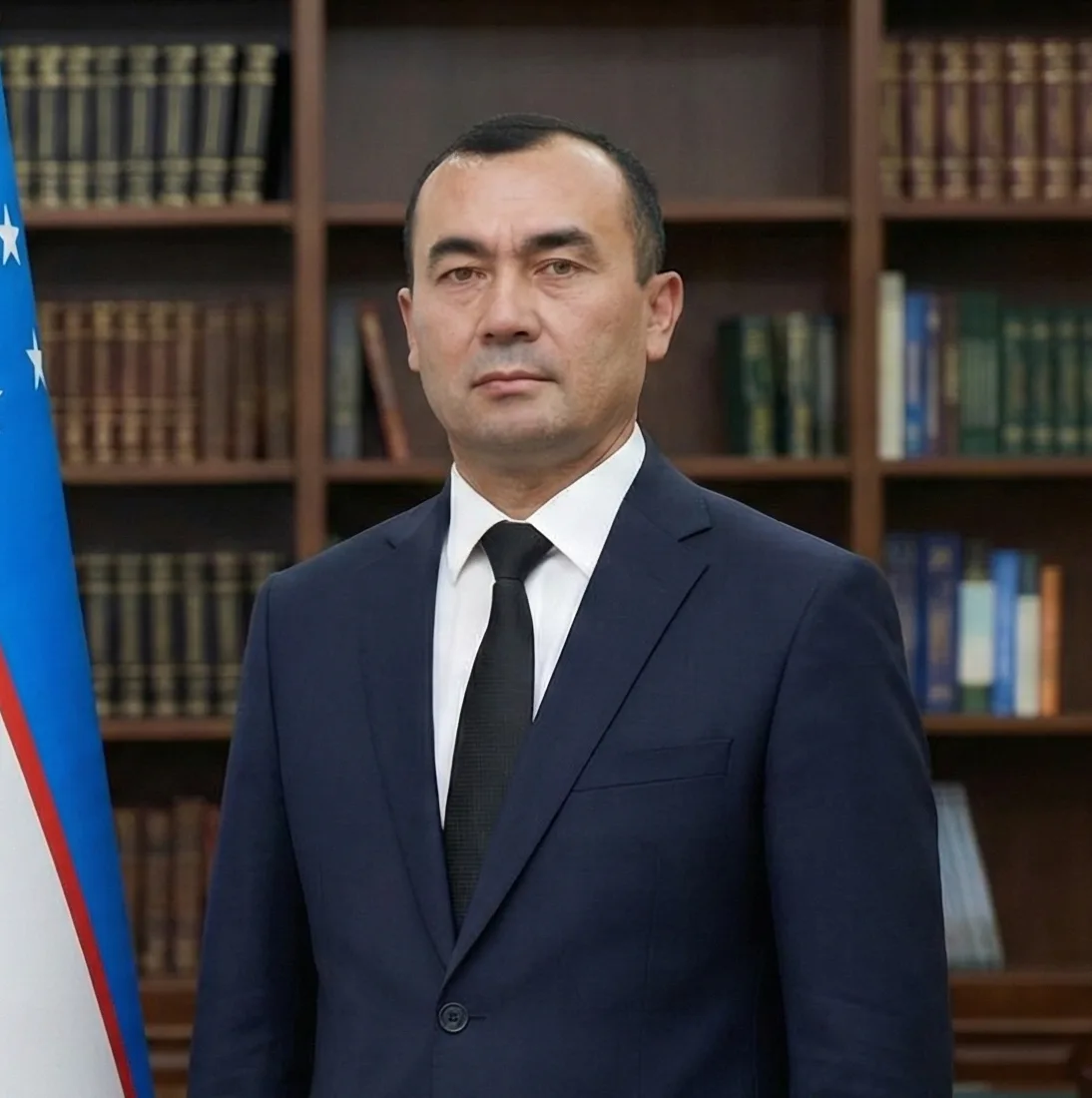
Boltaboyev Ulugbek Abdusalimovich
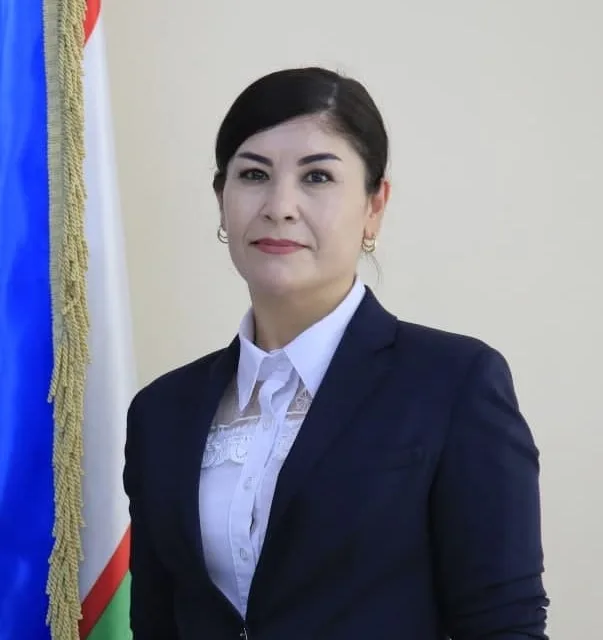
Ashurova Mukadas Djaloldinovna
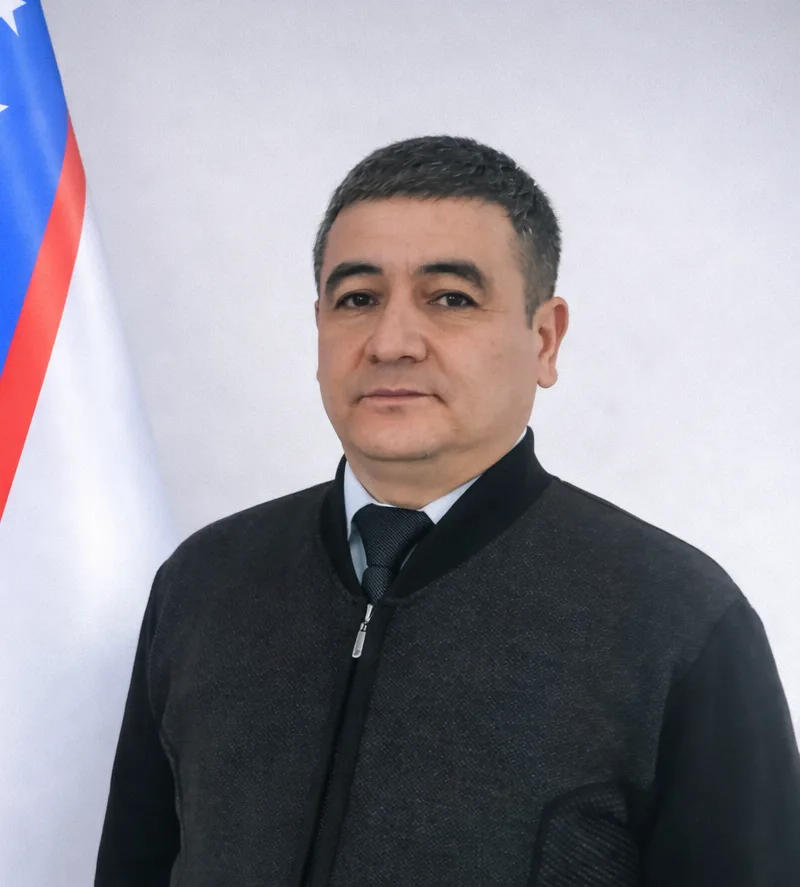
Akhmadaliev Rustamjon Umaralievich
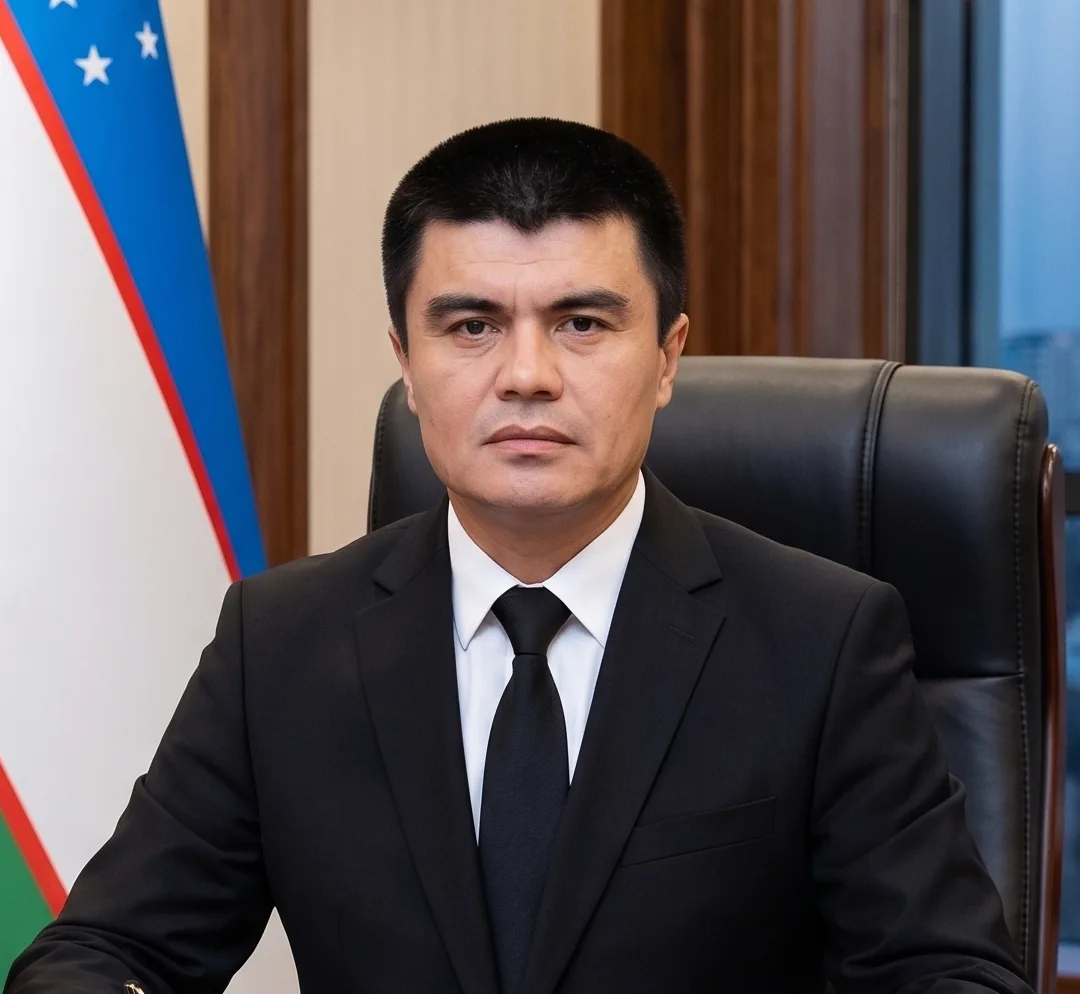
Matkhoshimov Nodirjon Soyibjonovich
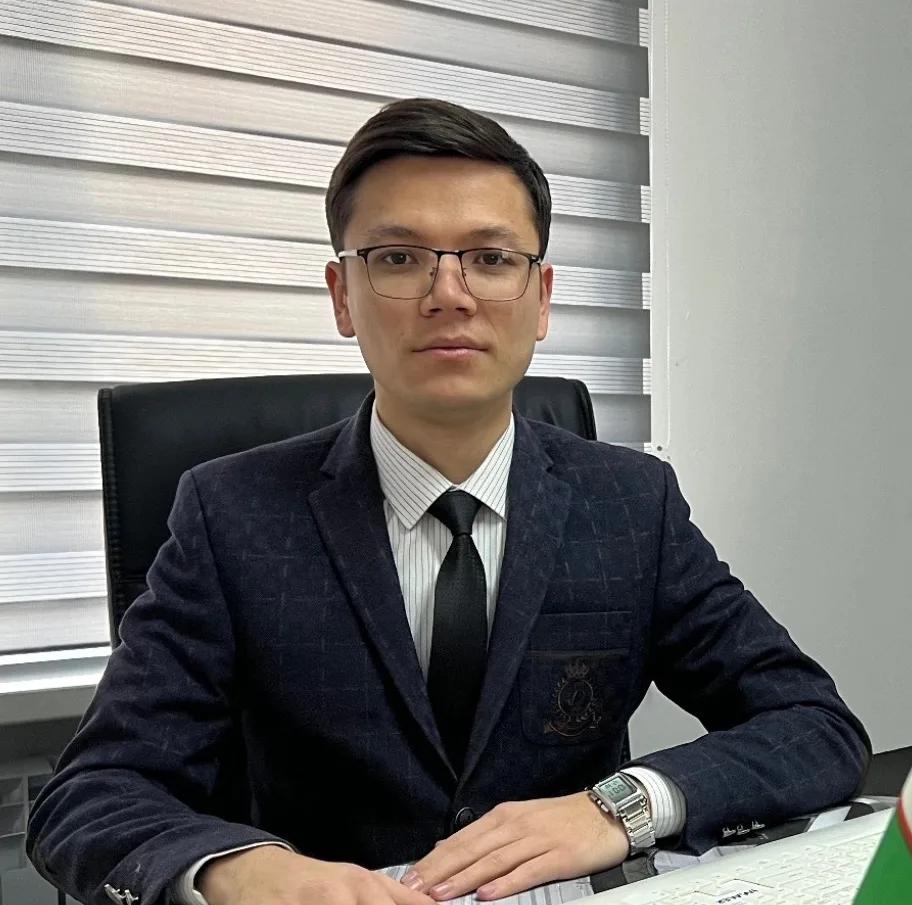
Valiyev Alisher Latifjon ogli
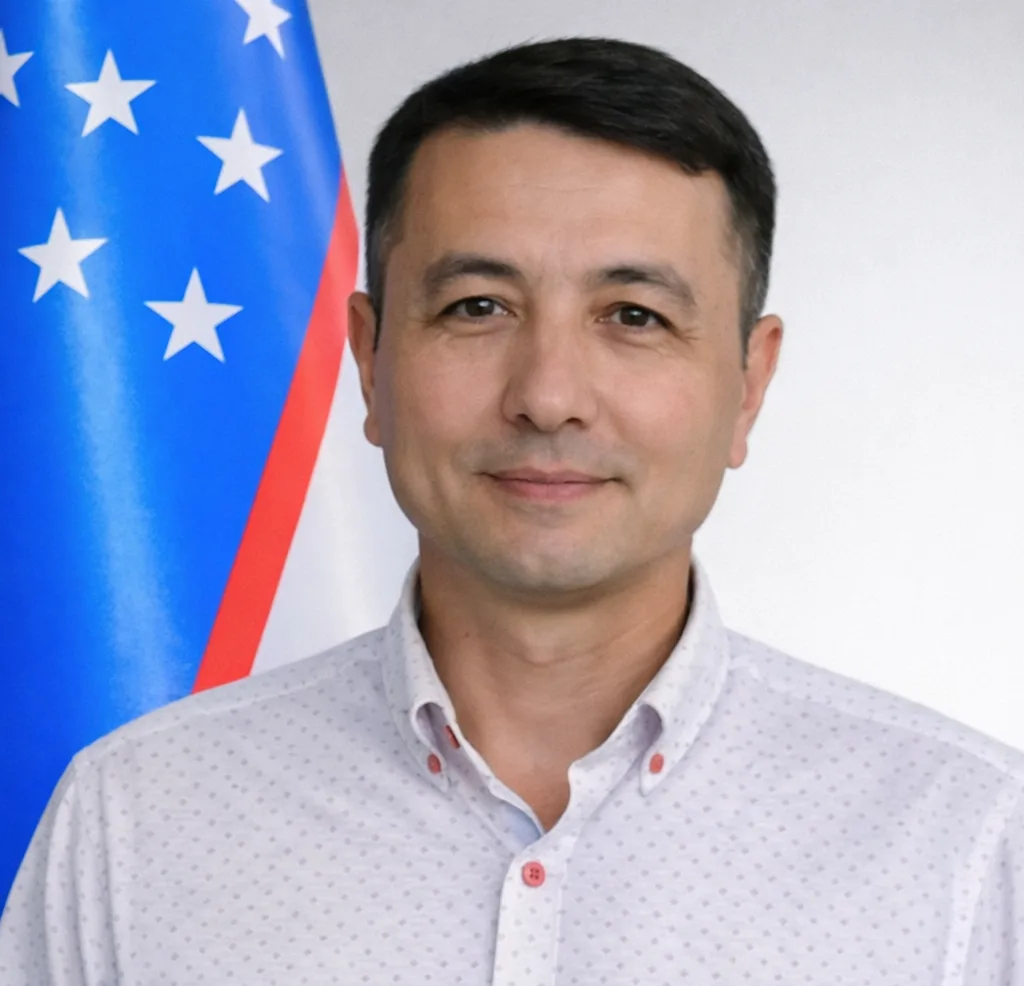
Turdiyev Shavkat Mamirovich