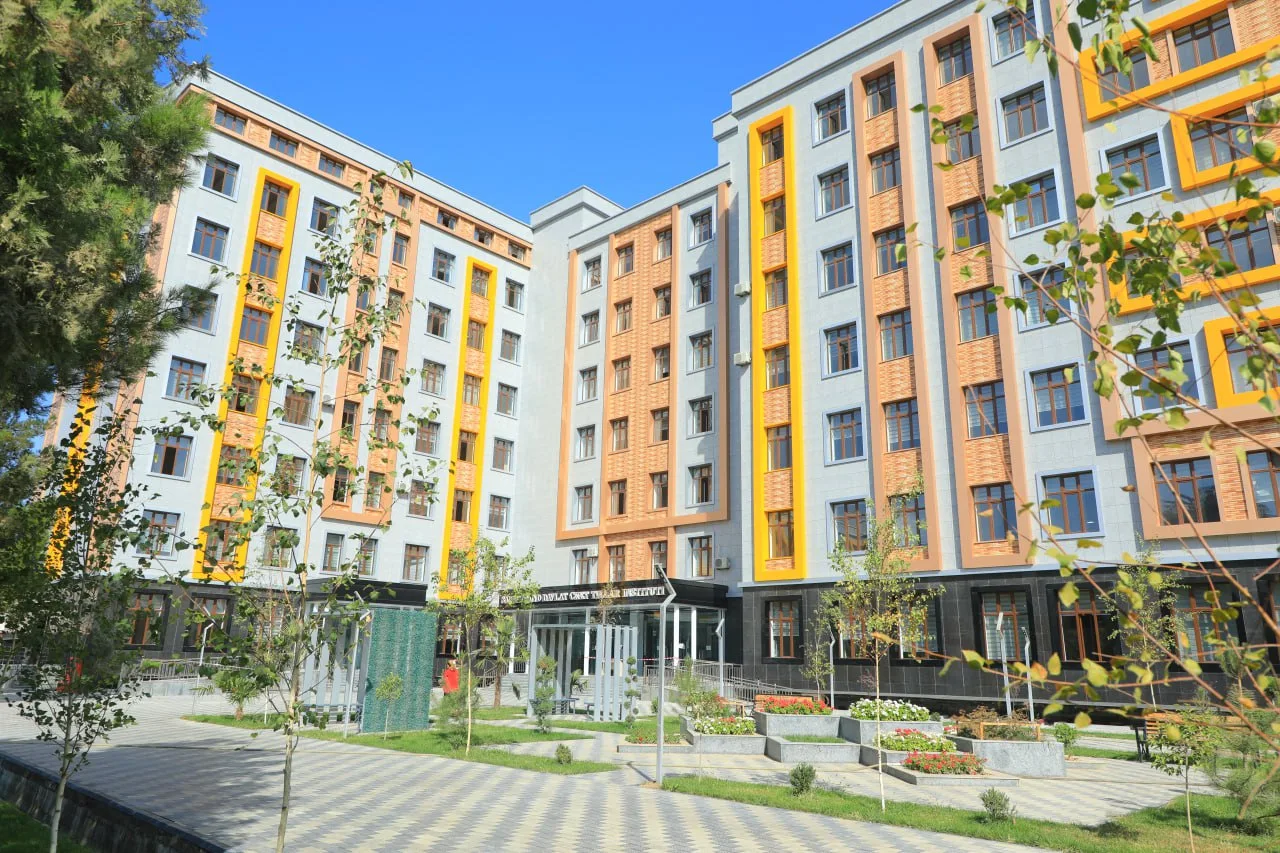

Samarkand State Institute of Foreign Languages
11,280
Students
107
International students
533
Teaching staff
7
Faculties
26
Departments
1994
Founded
Video and photos
About the university

FROM SAMARKAND TO THE WORLD
Samarkand State Institute of Foreign Languages is a public higher education institution that trains specialists with modern knowledge and practical skills in foreign languages, philology, translation studies, journalism, computational linguistics, tourism and intercultural communication.
The institute was established on 8 November 1994 and today operates as one of Uzbekistan’s leading higher education institutions in foreign language education and international academic cooperation.
Here, students not only learn foreign languages, but also develop the ability to think in an international environment, communicate effectively with representatives of different cultures, and gain the professional preparation needed for careers in translation, education, research, media, tourism and modern language technologies.
EDUCATIONAL OPPORTUNITIES

Samarkand State Institute of Foreign Languages offers opportunities for in-depth study of Western and Eastern languages. The educational process combines theoretical knowledge with practical classes, independent projects, language practice, pedagogical training and professional internships.
The institute provides a supportive academic environment for studying English, German, French, Spanish, Italian, Russian, Korean, Chinese, Japanese, Arabic, Turkish and other foreign languages.
Depending on their chosen programme, students acquire the following skills:
- fluent and professional communication in foreign languages;
- text analysis, translation and editing;
- use of modern pedagogical technologies;
- international and intercultural communication;
- work with digital tools and language technologies;
- participation in scientific, creative and practical projects.

INTERNATIONAL ACADEMIC ENVIRONMENT

The institute continues to develop cooperation with foreign higher education institutions, international organizations and academic partners. Students have the opportunity to participate in academic exchange programmes, joint education projects, international summer and winter schools, seminars, competitions and classes involving foreign specialists.
International students coming to Samarkand have the opportunity to study the Uzbek language and culture, learn together with local and international students, make new friends and experience unforgettable student life in one of the oldest and most famous cities in the world.

QUALITY, RECOGNITION AND TRUST
Samarkand State Institute of Foreign Languages pays special attention to improving the quality of education in line with international standards, strengthening academic governance and organizing the educational process according to modern requirements.
The institute actively participates in international rankings and quality assessment processes. According to Times Higher Education, the institute has 7 faculties, 26 departments, 4 language and culture centres, a regional language teaching centre, the Centre for Quality Education and Innovation, and a resource centre equipped with modern multimedia facilities.
According to the UI GreenMetric World University Rankings 2025, Samarkand State Institute of Foreign Languages ranked 523rd in the world. This demonstrates the institute’s active participation in sustainable development, green campus initiatives and international rankings.
The institute’s international accreditation certificates are presented as important documents confirming the quality of education, the management system and the commitment to international standards.

For international students
Samarkand State Institute of Foreign Languages offers international students a comfortable, safe and internationally oriented learning environment. Affordable tuition fees are provided for foreign citizens. For the 2026/2027 academic year, the tuition fee for bachelor’s degree programmes ranges from 12,990,000 UZS to 18,990,000 UZS, depending on the chosen academic field, while the tuition fee for master’s degree programmes is 14,490,000 UZS.
International students have the opportunity to study Western and Eastern languages, learn in an international academic environment, and take part in scientific, cultural and creative projects together with local and international students. Additional free Uzbek and Russian language courses are available for international students. These courses help students adapt more quickly to the academic process, communicate more confidently in daily life and become familiar with the culture of Uzbekistan.
The institute supports international students by providing rooms in student dormitories at affordable prices. SamSIFL also provides practical assistance to international students in the process of obtaining an entry visa to Uzbekistan. Samarkand is a city where rich history, culture, hospitality and modern educational opportunities come together to create a comfortable and memorable academic environment for international students.
International partnerships
Samarkand State Institute of Foreign Languages develops international cooperation as an important way to improve the quality of education, expand academic mobility and create international opportunities for students. The institute has established partnerships with more than 100 foreign higher education institutions, international organizations and research centres.
The institute’s international cooperation is actively developing with universities in the United Kingdom, the United States, Germany, Italy, Spain, France, China, South Korea, Japan, Türkiye, Malaysia, Russia and other countries. These partnerships provide students with opportunities to take part in academic exchange programmes, joint education projects, international summer and winter schools, seminars, master classes and lectures delivered by foreign professors and specialists.
Students and academic staff of SamSIFL have opportunities to participate in international programmes and projects such as Erasmus+, DAAD, Fulbright, KOICA, UniCEN, as well as grants, internships, research projects and scholarship competitions announced by foreign universities. The institute pays special attention to developing joint education programmes with TOP-500 universities, involving foreign specialists in the educational process and expanding international projects.
For international students, the institute offers an international academic environment, a friendly student community and broad opportunities for intercultural communication. Students can study the Uzbek language and culture, participate in joint projects with local and international students, and enjoy an unforgettable student life in Samarkand.
International cooperation at Samarkand State Institute of Foreign Languages gives students not only access to quality education, but also the opportunity to develop global thinking, confident communication in foreign languages, international experience and a strong foundation for a future international career.
Language courses
Samarkand State Institute of Foreign Languages offers opportunities to study Western and Eastern languages. The institute teaches English, German, French, Spanish, Italian, Russian, Uzbek, Chinese, Korean, Japanese, Arabic, Turkish, Persian and other foreign languages.
Opportunities for students
At the Samarkand State Institute of Foreign Languages, we believe in the power of education to open doors to a limitless world. Our mission is to provide students not only with profound knowledge in foreign languages but also to develop critical thinking and intercultural communication skills essential for success in today's global landscape.
Our students' success stories are our inspiration. Many of our alumni have found their calling in international organizations, become renowned translators, successful educators, and diplomats. Their achievements are a vivid testament to the quality of education and support they received at our institute.
World-class educational programs. We offer a wide range of programs from undergraduate to postgraduate degrees, as well as professional development courses. Our programs are designed to ensure that students receive a comprehensive education that combines theoretical knowledge with practical skills.
We pride ourselves on our partnerships with leading universities and research centers around the world. These connections enrich our curriculum and provide students with unique opportunities for exchange and internships abroad.
Our institute is more than just a place to study; it's a community where every student feels supported and inspired. We value a friendly atmosphere, mutual assistance, and active student governance.
At the Samarkand State Institute of Foreign Languages, we are open to everyone who is eager for knowledge and wants to make the world a better place. Join us to build a future filled with opportunities and success.
Faculties

The Faculty of Roman-German Languages is one of the most experienced and internationally oriented faculties of Samarkand State Institute of Foreign Languages. The history of the faculty is closely connected with the establishment of the institute: on 8 November 1994, the German and French language faculties were established together with the institute, in 2005 they formed the basis of the Faculty of Roman-German Philology, and since 2017 the faculty has continued its activities as the Faculty of Roman-German Languages.
Today, the faculty provides modern education in German, French, Spanish, Italian and Russian. Students not only study foreign languages, but also gain knowledge of European cultures, literature, translation, philology, intercultural communication and professional language use.
The faculty currently has 1,564 students, including 1,332 female students and 232 male students. The educational process is delivered by 9 professors, 23 associate professors, 3 foreign specialists and 75 teachers.
The faculty includes the Department of French Language and Literature, the Department of German Philology, the Department of Russian Philology, the Department of Spanish and Italian Philology, and the Department of Second Foreign Languages.
The Faculty of Roman-German Languages cooperates with the embassies of France, Germany, Italy, Spain and Russia, as well as with Erasmus+, DAAD, Campus France and the El-yurt umidi Foundation. This cooperation creates opportunities for students to participate in academic exchanges, international seminars, master classes, meetings with foreign specialists and international education programmes.
At the bachelor’s level, the faculty offers programmes in philology and language teaching: German, French, Spanish, Italian and Russian, as well as Russian language for non-Russian language groups. At the master’s level, the faculty trains specialists in linguistics: German, French, Spanish, Italian and Russian.
Graduates of the faculty can build careers as foreign language teachers, translators, philologists, specialists in international organizations, tourism professionals and intercultural communication specialists.
The Faculty of Roman-German Languages is an opportunity to study European languages in depth, grow in an international academic environment and build a strong foundation for a future professional career.

The Faculty of English Language is one of the largest and most in-demand faculties of Samarkand State Institute of Foreign Languages. The history of the faculty began on 17 January 1995, when the Faculty of English Philology was established by Order No. 1 of the Rector of the institute. In 2014, the programme “Foreign Language and Literature: English” was opened, and from that year the faculty became known as the Faculty of English Language. Since 2018, the Faculty of English Language I has been established on its basis.
Today, the faculty provides modern education in English language and literature, English language teaching methodology, English in preschool and primary education, English philology, linguistics, literary studies and innovative educational technologies. Students study English in depth and develop skills in international communication, academic writing, professional communication, teaching practice and academic research.
The faculty currently has 3,013 students. Of them, 2,657 students study in Uzbek-language groups and 356 students study in Russian-language groups. The faculty’s academic staff includes 9 professors, 21 associate professors, 54 senior teachers, 54 assistant teachers and 43 trainee teachers.
The faculty includes the Department of History and Grammar of the English Language, the Department of English Lexicology and Stylistics, the Department of English Language, the Department of Innovative Educational Technologies and Methodology, the Department of English Language Theory, the Department of Theoretical Aspects of the English Language, and the Department of Pedagogy, Psychology and Physical Culture.
At the bachelor’s level, the faculty offers programmes in Foreign Language and Literature: English and Foreign Language in Preschool and Primary Education: English. At the master’s level, the faculty trains specialists in Foreign Language and Literature: English.
To help students use their free time meaningfully and improve their practical language skills, the faculty organizes clubs and activities with the participation of local and international specialists, including “Linguistic Lab”, “English Literature Readers”, “Speaking Club”, “Listening Club”, “Perfect Guide”, “Lingvist”, “Young Guide-Interpreters”, “Young Readers” and “Young Psychologists and Skilled Educators”.
Graduates of the faculty can build careers as English language teachers, translators, philologists, specialists in international organizations, guide-interpreters, educational technology specialists, academic researchers and intercultural communication specialists.
The Faculty of English Language is an opportunity to study English in depth, grow in an international academic environment, master modern teaching technologies and build a strong foundation for a future international career.

The Faculty of English Philology and Translation Studies is one of the modern, practice-oriented and internationally focused faculties of Samarkand State Institute of Foreign Languages. The faculty was established on the basis of the organizational structure approved by Resolution No. 11 of the Council of Samarkand State Institute of Foreign Languages dated 1 July 2021.
Today, the faculty trains specialists in English philology, translation theory and practice, guide-interpreting and translation activities, as well as tourism and hospitality. The faculty provides students with the knowledge and skills needed to study English in depth, analyse texts, perform written and oral translation, communicate internationally and work professionally in the tourism sector.
The faculty offers programmes in Philology and Language Teaching: English, Translation Theory and Practice: English, Guide-Interpreting and Translation Activities: English, and Tourism and Hospitality. These programmes are designed to prepare not only language specialists, but also professionals who are in demand in the international labour market.
The faculty currently has 1,863 students. Of them, 1,060 students study Philology and Language Teaching: English, 429 students study Translation Theory and Practice: English, 291 students study Guide-Interpreting and Translation Activities: English, and 83 students study Tourism and Hospitality.
The faculty includes the Department of Humanities and Information Technologies, the Department of Joint Education Programmes, the Department of Translation Theory and Practice, the Department of English Philology, the Department of English Language Theory and Practice, and the Department of English Language Teaching Methodology.
The educational process at the faculty combines theoretical knowledge, practical classes, translation practice, professional communication, information technologies and the tourism sector. Students develop skills in fluent English communication, translation, intercultural communication, guide-interpreting and participation in international projects.
Graduates of the faculty can build careers as English language teachers, translators, guide-interpreters, philologists, specialists in international organizations, tourism and hospitality professionals, content editors and intercultural communication specialists.
The Faculty of English Philology and Translation Studies is an opportunity to study English in depth, develop translation and international communication skills, gain professional opportunities in tourism and hospitality, and build a strong foundation for a future international career.

The Faculty of Oriental Languages is one of the important faculties of Samarkand State Institute of Foreign Languages, training specialists in Oriental languages, philology, translation studies, journalism and modern language technologies. The faculty was founded on 12 August 1995. Over the years, it operated as the Faculty of Korean Philology, the Faculty of Oriental Philology and Translation Studies, the Faculty of Translation, and the Faculty of Translation Theory and Practice. Since September 2021, it has continued its activities as the Faculty of Oriental Languages.
Today, the faculty provides modern education in Korean, Chinese, Japanese, Arabic and Turkish, as well as in Uzbek language and literature, journalism and computational linguistics. Students study Oriental languages in depth and gain knowledge of Eastern cultures and literature, translation, international communication, media and digital language technologies.
The faculty includes the Department of Korean Philology, the Department of Chinese Philology, the Department of Japanese Philology, the Department of Middle Eastern Languages, the Department of Uzbek Language, Journalism and Computational Linguistics, and the Department of Comparative Literature.
The faculty offers programmes in Philology and Language Teaching: Korean, Philology and Language Teaching: Chinese, Translation Theory and Practice: Chinese, Philology and Language Teaching: Japanese, Philology and Language Teaching: Arabic, Philology and Language Teaching: Turkish, Uzbek Language and Literature, Journalism and Computational Linguistics.
The educational process at the faculty combines theoretical knowledge, practical language classes, translation practice, text analysis, intercultural communication, media literacy and digital technologies. Students have the opportunity to study the languages and cultures of Eastern countries, participate in international events, and take part in scientific and creative projects.
Graduates of the faculty can build careers as foreign language teachers, translators, philologists, journalists, media specialists, computational linguistics specialists, employees of international organizations, tourism professionals and intercultural communication specialists.
The Faculty of Oriental Languages is an opportunity to study Oriental languages in depth, become familiar with Asian and Middle Eastern cultures, gain professional skills in translation, journalism and language technologies, and build a strong foundation for an international career.

Narpay Faculty of Foreign Languages is one of the faculties of Samarkand State Institute of Foreign Languages established to develop foreign language education in the regions and train modern teaching professionals. The faculty began its activities in the 2021/2022 academic year in the building of Narpay Service Technical School, based on the instructions given by the President of the Republic of Uzbekistan Sh.M. Mirziyoyev during his visit to Samarkand region on 15–16 April 2021.
Today, the faculty trains specialists in English language and literature and English in preschool and primary education. The main goal of the faculty is to prepare professionals who have a strong command of English, can use modern teaching technologies and are able to provide quality education for the younger generation.
The faculty currently has 210 students. Students study English from both theoretical and practical perspectives, develop oral and written communication skills, acquire teaching competence and gain the knowledge needed to teach English effectively in preschool and primary education.
The faculty includes the Department of General Subjects. The department supports the development of students’ general academic outlook, professional preparation, pedagogical competence and practical language skills.
The educational process at Narpay Faculty of Foreign Languages combines theoretical knowledge, practical classes, teacher training, independent learning and career-oriented activities. Graduates can work as English language teachers, foreign language specialists in preschool and primary education, staff members of educational institutions and practical specialists in language teaching.
Narpay Faculty of Foreign Languages is an opportunity to receive quality higher education in the region, study English in depth, master a modern teaching profession and start a meaningful professional career in education.

Payariq Faculty of Foreign Languages is one of the faculties of Samarkand State Institute of Foreign Languages that supports the development of foreign language education in the regions and trains specialists with strong English language competence and modern teaching skills.
Today, the faculty trains specialists in Foreign Language and Literature: English and Foreign Language in Preschool and Primary Education: English. These programmes focus on in-depth English language learning, knowledge of language and literature, and the methodology of teaching English effectively to children and primary school pupils.
The faculty currently has 231 full-time students. Students have the opportunity to develop oral and written communication in English, analyse texts, prepare for teaching practice, use modern educational technologies and build professional practical skills.
The faculty includes the Department of General Subjects. The department’s academic staff includes 2 associate professors, 4 senior teachers, 3 assistant teachers and 9 trainee teachers.
The educational process at Payariq Faculty of Foreign Languages combines theoretical knowledge, practical classes, independent learning, teacher training and career-oriented activities. Opportunities to use modern learning technologies and computer equipment are being expanded at the faculty.
To help students use their free time meaningfully and improve their practical language skills, the faculty offers clubs such as “Speaking Club”, “Debate Club”, “Readers’ Club”, “Movie Club”, “Guide-Interpreters Training Club”, “Yosh talant” and “Intellekt”.
Graduates of the faculty can work as English language teachers, foreign language specialists in preschool and primary education, staff members of educational institutions, translators, guide-interpreters and practical specialists in language teaching.
Payariq Faculty of Foreign Languages is an opportunity to receive quality higher education in the region, study English in depth, master a modern teaching profession and build a strong foundation for a future career in education.

The Faculty of Evening Education Programmes is one of the faculties of Samarkand State Institute of Foreign Languages that offers modern and flexible higher education opportunities. The faculty was established on 1 January 2023 by the decision of the institute’s Supervisory Board and allows students to receive quality higher education in an evening study format, combining their studies with work, practical activity and personal plans.
Today, the faculty has 2,884 students studying in 12 educational programmes. The faculty trains specialists in English, Korean, Chinese, Japanese, German, French, Spanish and Russian, as well as in translation, foreign language in preschool and primary education, and Russian language for non-Russian language groups.
The faculty offers the following programmes: Foreign Language and Literature: English, Foreign Language in Preschool and Primary Education: English, Philology and Language Teaching: English, Translation Theory and Practice: English, Philology and Language Teaching: Japanese, Philology and Language Teaching: Chinese, Philology and Language Teaching: Korean, Philology and Language Teaching: German, Philology and Language Teaching: French, Philology and Language Teaching: Spanish, Philology and Language Teaching: Russian, and Russian Language for Non-Russian Language Groups.
The Faculty of Evening Education Programmes gives students the opportunity to study foreign languages in depth and develop practical skills in philology, translation studies, pedagogy and intercultural communication. The educational process combines theoretical knowledge, practical classes, independent learning, professional training and modern educational technologies.
Graduates of the faculty can build careers as foreign language teachers, translators, philologists, educators, specialists in international organizations, education sector professionals and intercultural communication specialists.
The Faculty of Evening Education Programmes is an opportunity to combine work and study, study foreign languages in depth, gain modern professional skills and build a strong foundation for future professional activity.
Fields of study
| Comparative Linguistics, Linguistic Translation Studies: English Language 70230201 | Master's |
| Computational Linguistics 60230400 | Bachelor |
| Computational Linguistics 70230401 | Master's |
| Foreign Language and Literature: English 70110901 | Master's |
| Foreign language and literature (English) 60110900 | Bachelor |
| Joint Degree Programme: Foreign Language and Literature — English (Greenwich) 60110900 | Bachelor |
| Joint Degree Programme: Foreign Language and Literature — English, ELT 70110901 | Master's |
| Joint Degree Programme: Foreign Language and Literature — English, TESOL 70110901 | Master's |
| Joint Degree Programme: Philology and Language Teaching — English 60230100 | Bachelor |
| Joint Degree Programme: Philology and Language Teaching — Korean 60230100 | Bachelor |
| Joint Degree Programme: Philology and Language Teaching — Russian 60230100 | Bachelor |
| Journalism 60320100 | Bachelor |
| Journalism: International Journalism 60320100 | Bachelor |
| Linguistics (Chinese) 70230101 | Master's |
| Linguistics (Arabic language) 70230101 | Master's |
| Linguistics (French) 70230101 | Master's |
| Linguistics (Korean language) 70230101 | Master's |
| Linguistics (Spanish) 70230101 | Master's |
| Linguistics: Arabic 70230101 | Master's |
| Linguistics: Chinese Language 70230101 | Master's |
| Linguistics: English 70230101 | Master's |
| Linguistics: German Language 70230101 | Master's |
| Linguistics: Italian 70230101 | Master's |
| Linguistics: Japanese Language 70230101 | Master's |
| Linguistics: Korean Language 70230101 | Master's |
| Linguistics: Russian Language 70230101 | Master's |
| Linguistics: Spanish 70230101 | Master's |
| Linguistics: Uzbek 70230101 | Master's |
| Literary Studies: English Literature 70230104 | Bachelor Master's |
| Literary Studies: French Literature 70230104 | Master's |
| Literary Studies: German Literature 70230104 | Master's |
| O‘zbek tili va adabiyoti 60110700 | Bachelor |
| Philology and Language Teaching: English 60230100 | Bachelor |
| Philology and Language Teaching: French Language 60230100 | Bachelor |
| Philology and Language Teaching: Italian 60230100 | Bachelor |
| Philology and Language Teaching: Japanese 60230100 | Bachelor |
| Philology and Language Teaching: Russian Language 60230100 | Bachelor |
| Philology and Language Teaching: Spanish 60230100 | Bachelor |
| Philology and Language Teaching: Turkish 60230100 | Bachelor |
| Philology and language teaching: Arabic language 60230100 | Bachelor |
| Philology and language teaching: Chinese language 60230100 | Bachelor |
| Philology and language teaching: German language 60230100 | Bachelor |
| Philology and language teaching: Korean language 60230100 | Bachelor |
| Simultaneous Interpretation: English 70230202 | Master's |
| Simultenous translation (English) 70230202 | Master's |
| Theory and Practice of Translation: Chinese 60230200 | Bachelor |
| Theory and Practice of Translation: English 60230200 | Bachelor |
| Theory and Practice of Translation: French 60230200 | Bachelor |
| Theory and Practice of Translation: German 60230200 | Bachelor |
| Theory and Practice of Translation: Russian 60230200 | Bachelor |
| Tourism and Hospitality 61010100 | Bachelor |
| Translation Theory and Practice: English / Russian / German 60230200 | Bachelor |
| Uzbek Language and Literature 60110700 | Bachelor |
Programmes
All programmes →
Samarkand State Institute of Foreign Languages
Joint Degree Programme: Philology and Language Teaching — Russian
15 990 000 so'm
per year
Samarkand State Institute of Foreign Languages
Joint Degree Programme: Foreign Language and Literature — English, ELT
15 990 000 so'm
per year
Samarkand State Institute of Foreign Languages
Comparative Linguistics, Linguistic Translation Studies: English Language
14 990 000 so'm
per year
Samarkand State Institute of Foreign Languages
Linguistics: Japanese Language
14 990 000 so'm
per year
Samarkand State Institute of Foreign Languages
Linguistics (French)
14 990 000 so'm
per year
Samarkand State Institute of Foreign Languages
Linguistics: German Language
14 990 000 so'm
per year
Samarkand State Institute of Foreign Languages
Journalism: International Journalism
12 990 000 so'm
per year
Samarkand State Institute of Foreign Languages
Theory and Practice of Translation: English
12 990 000 so'm
per year
Samarkand State Institute of Foreign Languages
Philology and Language Teaching: Turkish
12 990 000 so'm
per year
Samarkand State Institute of Foreign Languages
Philology and Language Teaching: Japanese
12 990 000 so'm
per year
Samarkand State Institute of Foreign Languages
Philology and Language Teaching: Italian
12 990 000 so'm
per year
Samarkand State Institute of Foreign Languages
Joint Degree Programme: Foreign Language and Literature — English (Greenwich)
60 061 033 so'm
per year
Notable alumni
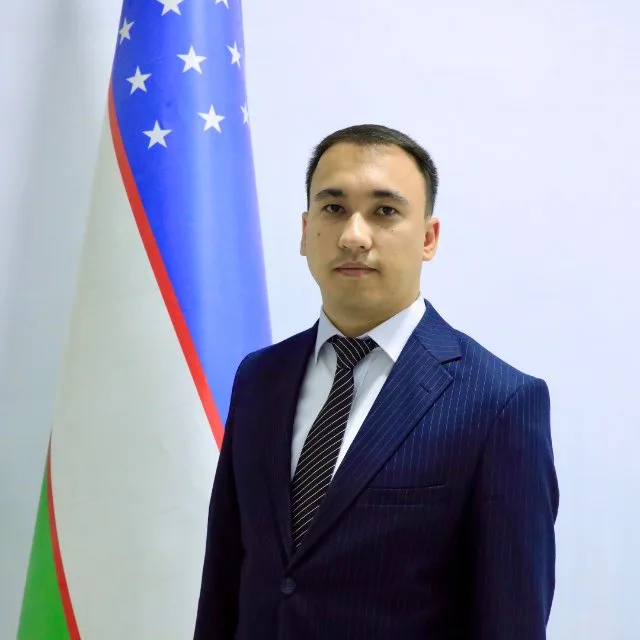
Javokhirkhon Nasrullaev
Ravshan Turakulov
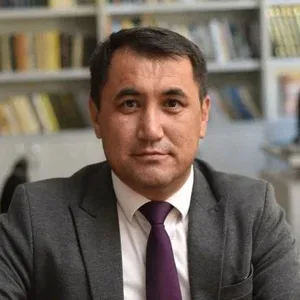
Anvar Sayfullayev
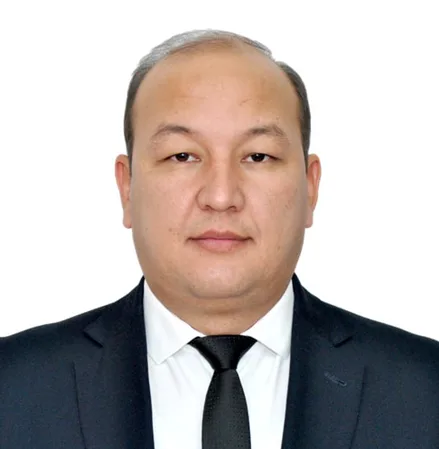
Otabek Yusupov
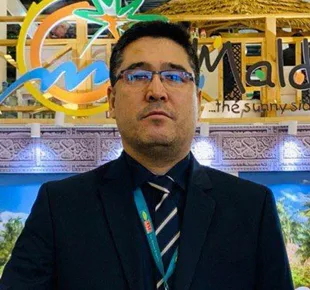
Anvar Shermatov
Abdullo Aslonov
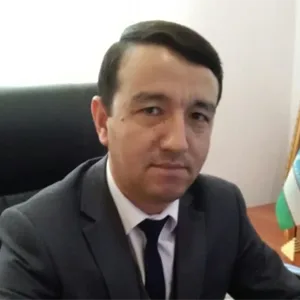
Alibek Gapparov
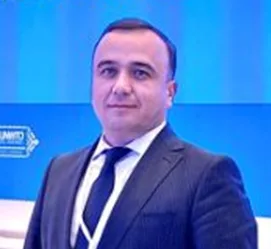
Jasur Rahmonov
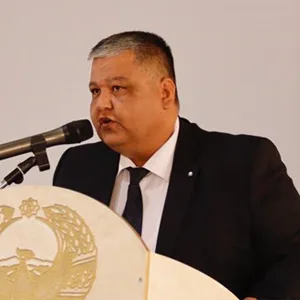
Suhrob Erkinov
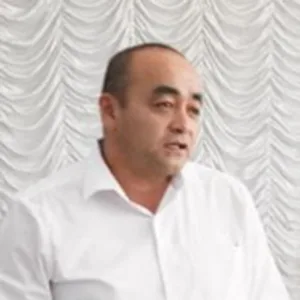
Muzaffar Xidirov
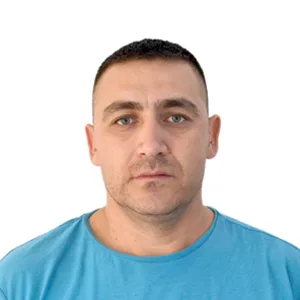
Orzu Amanbayev
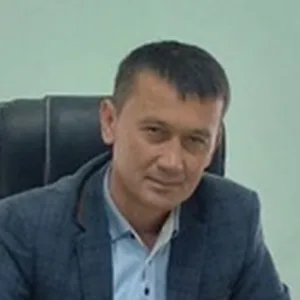
Bahrom Primov
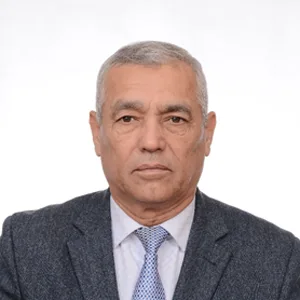
Murodxon Ergashev
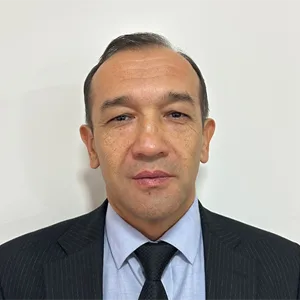
Anvar Ismailov
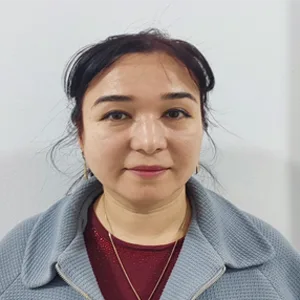
Nafisa Nasrullayeva
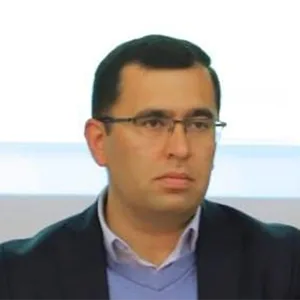
Farrux Boltayev

Gulhayo Baratova

Avaz Bayonxonov
Student reviews
Moira Mailed
Isabelle Lareau
Hannah Blakey